
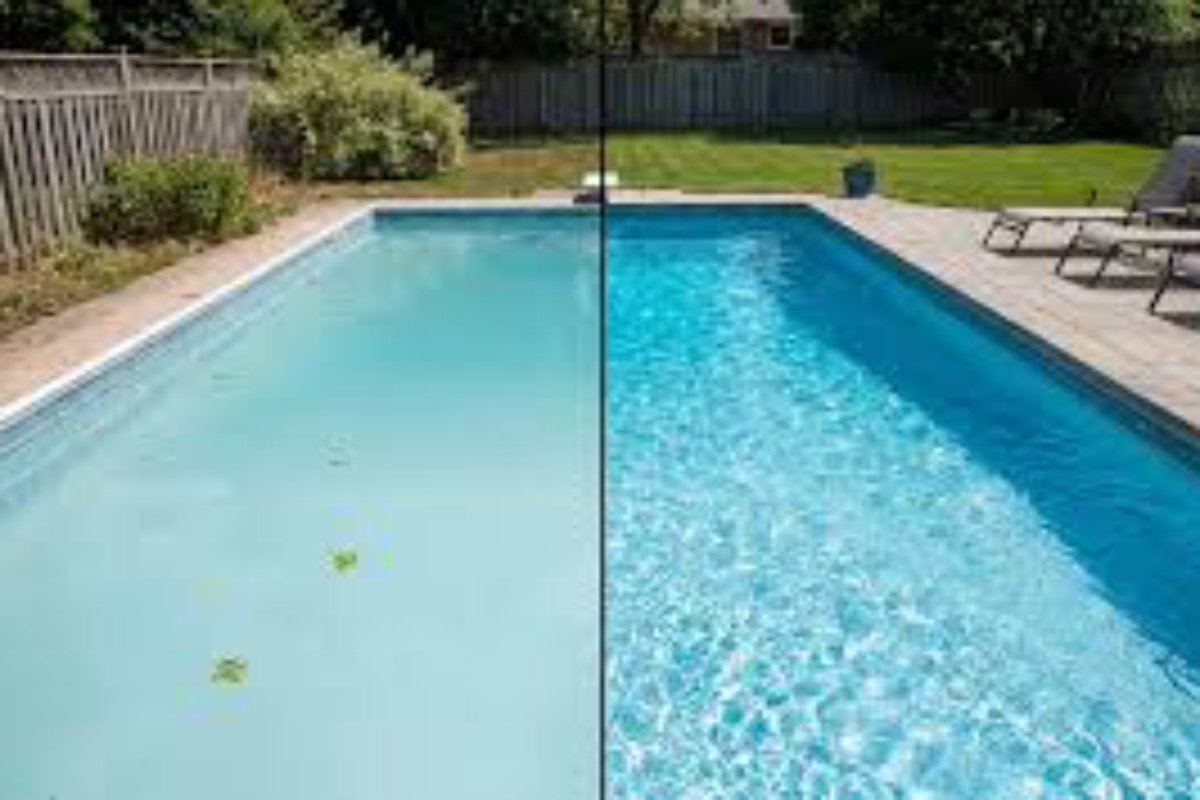
using the wrong pool chemicals—or using them incorrectly—can be a costly, dangerous mistake.
You're standing in the pool aisle, overwhelmed by bottles and bags. You grab something that looks right, toss it in, and hope for the best. Sound familiar? If so, you're not alone. But here's the truth: using the wrong pool chemicals—or using them incorrectly—can be a costly, dangerous mistake.
From equipment damage to skin rashes and even toxic gas, the consequences of chemical errors are serious. In this guide, we'll walk you through exactly what happens when you use the wrong pool chemicals, how to avoid common mistakes, and why poolblue.store is your trusted partner for getting it right every time.
Why Getting Pool Chemicals Right Matters
Your pool water is a delicate chemical ecosystem. Every product you add interacts with everything else in the water. One wrong move can trigger a cascade of problems:
Health risks: Skin irritation, red eyes, breathing difficulties, and even chemical burns.
Equipment damage: Corroded pumps, heaters, and ladder rails.
Surface damage: Etched plaster, faded liners, and damaged tiles.
Water imbalance: Cloudy water, algae blooms, and ineffective sanitation.
Safety hazards: Toxic gas formation, fires, or explosions from improper mixing or storage.
The good news? Most mistakes are preventable with the right knowledge—and the right products from poolblue.store.
What Happens When You Use the Wrong Chemical
Let's break down the most common chemical mistakes and their consequences.
1. Adding the Wrong Type of Chlorine
Chlorine comes in several forms—each with different properties and uses. Mixing them up can cause serious problems.
Chlorine Type Common Mistake Consequence
Trichlor tablets Using them in a saltwater pool without a feeder Over-stabilisation (CYA buildup), chlorine lock
Calcium hypochlorite (shock) Adding directly to the skimmer Damage to pump seals and filter components
Liquid chlorine Mixing with acid or trichlor tablets Toxic chlorine gas release
Dichlor granules Using as a daily sanitiser when it's meant for shock Rapid CYA buildup, chlorine lock
The fix: Know your chlorine types. Read labels carefully. Poolblue.store clearly labels every product and provides usage guides so you never guess.
2. Mixing Incompatible Chemicals
This is one of the most dangerous mistakes you can make. Never mix different types of chlorine together, and never mix chlorine with acid.
What happens:
Mixing trichlor and cal-hypo can cause a fire or explosion.
Mixing chlorine and acid (muriatic acid or pH-minus) releases highly toxic chlorine gas—which can be fatal if inhaled.
Mixing different pool chemicals in a dry bucket can create a hazardous reaction even without water.
Real-life warning: One pool owner reported mixing acid and chlorine in a bucket and nearly passing out from the gas. "I was on the ground after one lung-full. It nearly killed me."
Golden rule: Never mix pool chemicals together before adding them to the water. Add them separately, at different times, and with the pump running.
The fix: Poolblue.store provides clear safety warnings on every product. Our experts can guide you on which products are safe to use together and when to space out applications.
3. Using the Wrong pH Adjuster
pH is the foundation of pool chemistry. Using the wrong adjuster can destabilise your entire water balance.
Mistake Consequence
Using pH-plus instead of pH-minus Drives pH higher, causing scale, cloudy water, and ineffective chlorine
Using pH-minus instead of pH-plus Drives pH lower, causing corrosion, eye irritation, and equipment damage
Using muriatic acid when you meant to add alkalinity increaser Worsens acidity, damages surfaces
Adding too much acid at once pH crashes, water turns corrosive
The fix: Test before you adjust. Always double-check your label. Poolblue.store offers clearly labelled pH adjusters with dosing instructions based on your pool size.
4. Overlooking the Importance of Order
The order in which you add chemicals matters just as much as which ones you choose.
The correct sequence:
Alkalinity first – gives pH a stable base.
pH second – adjusts acidity now that alkalinity is stable.
Chlorine third – now that pH is right, chlorine will work effectively.
Shock last – best done in the evening.
What happens if you ignore the order:
Adding chlorine before adjusting pH means the chlorine may be wasted or become dangerously concentrated.
Shocking before balancing alkalinity can cause the shock to lose effectiveness or create scale.
Adding acid and chlorine close together can create dangerous gas.
The fix: Poolblue.store provides step-by-step guides with every product purchase. Our starter bundles include clear instructions so you never guess the order.
5. Using the Wrong Dosage
Even the right chemical can cause problems if you use too much or too little.
Chemical Too Little Too Much
Chlorine Algae blooms, bacteria growth, unsafe water Skin irritation, bleached swimsuits, strong odour, equipment damage
pH adjuster pH drifts, chlorine ineffective pH crash or spike, scale or corrosion
Alkalinity increaser pH instability Cloudy water, scaling
Cyanuric acid (stabiliser) Chlorine destroyed by UV Chlorine lock, require partial drain
Algaecide Algae growth Foaming water, skin irritation
The fix: Always calculate dosage based on your pool's volume. Don't guess. Poolblue.store provides dosing charts and calculators to help you add exactly what you need.
6. Using Expired or Degraded Chemicals
Pool chemicals don't last forever. Using old products can waste your money and harm your pool.
What happens:
Liquid chlorine degrades by about 20% every year. Old chlorine is weak and ineffective .
Dry chlorine loses strength over time, especially if exposed to moisture.
Algaecides can lose their potency.
Test strips go bad and give false readings.
Signs your chemicals are expired:
Powder is clumpy or hard.
Liquid has changed colour.
Test strips show inconsistent or impossible results.
The fix: Buy fresh products from poolblue.store. We maintain high inventory turnover, so you always receive effective, fresh chemicals.
7. Using "Pool" Products for the Wrong Application
Not every chemical sold in the pool aisle is safe for every pool type.
Mistake Consequence
Using calcium hypochlorite in a vinyl pool Can bleach or weaken the liner if not pre-dissolved
Using trichlor tablets in a skimmer (without proper flow) Creates highly acidic water that damages pump and heater
Using acid in a saltwater pool without checking pH first Can cause pH to crash and damage the salt cell
Using stabiliser in an indoor pool Raises CYA unnecessarily; indoor pools don't need it
The fix: Know your pool type. Read product labels carefully. Poolblue.store helps you select the right product for your specific pool material and system.
The Long-Term Costs of Chemical Mistakes
Using the wrong chemicals doesn't just cause immediate problems—it can lead to expensive long-term damage.
Problem Potential Cost
Corroded pool heater $1,000–$3,000 to replace
Damaged pool pump $300–$800 to replace
Eroded plaster or gunite surface $3,000–$7,000 to resurface
Faded or bleached vinyl liner $2,000–$5,000 to replace
Salt cell failure (saltwater pool) $500–$900 to replace
Chemical burns or health issues Priceless—avoid at all costs
Bottom line: A few dollars saved on the wrong chemical can cost thousands in repairs. Poolblue.store helps you avoid these costly mistakes with expert guidance and quality products.
How to Avoid Chemical Mistakes: The Poolblue.store Advantage
At poolblue.store, we believe that pool maintenance should be simple, safe, and affordable. Here's how we help you get it right:
1. Clear Labelling and Instructions
Every product we sell includes clear, easy-to-understand labels and usage instructions. We don't assume you're an expert—we give you the information you need.
2. Expert Support
Our team knows pool chemistry inside and out. If you're unsure about a product or dosage, just ask. We'll guide you to the right solution.
3. Starter Bundles for Beginners
New to pool maintenance? Our starter bundles include everything you need—and nothing you don't. No guesswork, no mistakes.
4. Compatibility Guidance
Not sure if a product works with your pool type or equipment? We'll help you choose the right product for your specific situation.
5. Quality You Can Trust
We stock only professional-grade products with high turnover. No expired chemicals. No degraded stock. Just fresh, effective products that work.
6. Safety-First Approach
Every product page includes safety warnings and handling instructions. We prioritise your safety above all else.
Pool Chemical Safety Quick Reference
Here's a quick checklist to keep your pool chemical routine safe:
Do Don't
✅ Read labels carefully ❌ Mix different pool chemicals together
✅ Test water before adding anything ❌ Add chemicals directly to the skimmer (unless specified)
✅ Calculate dosage based on pool volume ❌ Guess dosage
✅ Add chemicals one at a time ❌ Add multiple chemicals at the same time
✅ Keep pump running during and after adding ❌ Turn off pump while chemicals are dissolving
✅ Store chemicals in a cool, dry place ❌ Store chemicals near heat sources or in sunlight
✅ Pre-dissolve granular chemicals in a bucket of water ❌ Add dry granular chemicals directly into the pool (can bleach liners)
✅ Shock at night for maximum effectiveness ❌ Shock during the day—sunlight destroys chlorine
✅ Always add acid to water, never water to acid ❌ Pour water into acid—can cause violent splashing
What to Do If You've Already Made a Mistake
If you suspect you've used the wrong chemical, don't panic. Take these steps:
Stop adding chemicals immediately.
Run the pump continuously to circulate and dilute any reaction.
Test your water thoroughly to understand what has changed.
Avoid swimming until you've corrected the balance and retested.
Contact our team at poolblue.store for guidance on next steps.
Real Customer Stories: When Things Went Wrong
"I accidentally used pH-plus instead of pH-minus for a week. My water turned cloudy, my chlorine stopped working, and I had scale all over my salt cell. The team at Poolblue.store helped me diagnose the problem, balance the water, and get back on track. I'll never make that mistake again." — Jennifer L.
"I mixed trichlor tablets and liquid shock in the same bucket. The fumes were terrifying. I learned my lesson—now I only buy from Poolblue.store and follow their safety guides religiously." — Tom S.
Final Verdict: Get It Right the First Time with Poolblue.store
Using the wrong pool chemicals can be dangerous, expensive, and frustrating. From toxic gas to equipment failure, the consequences are serious. But here's the good news: every single mistake is preventable.
With the right knowledge and the right products from poolblue.store, you can maintain a safe, sparkling pool without the risk. We make it easy with clear labels, expert support, and quality products you can trust.
Don't gamble with your pool—or your safety. Visit poolblue.store today and shop with confidence. Your pool will thank you, your wallet will thank you, and you'll enjoy peace of mind knowing you've got it right.